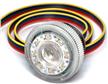


AMI-4440-TT-G

PUI Audio
665-AMI-4440-TT-G
AMI-4440-TT-G

Mfr.:

Description:
Buzzers & Audio Indicators - Board Mount 44MM MEDICAL INDICATOR 80DB IEC 60601-1-8 General

Lifecycle:
New Product:
New from this manufacturer.
ECAD Model:
Download the free Library Loader to convert this file for your ECAD Tool. Learn more about the ECAD Model.

Availability

Stock:
0

You can still purchase this product for backorder.

On Order:
144
Expected 22/06/2026
Factory Lead Time:
19
Weeks Estimated factory production time for quantities greater than shown.
Minimum: 1   Multiples: 1
Unit Price:
Rp-
Ext. Price:
Rp-
Est. Tariff:

Pricing (IDR)

Qty. Unit Price
Ext. Price
Rp352.060 Rp352.060
Rp270.787 Rp2.707.870
Rp244.919 Rp6.122.975
Rp241.066 Rp12.053.300
Rp238.131 Rp17.145.432

Product Attribute Attribute Value Select Attribute
PUI Audio
Product Category: Buzzers & Audio Indicators - Board Mount
Brand: PUI Audio
Current Rating: 150 mA
Diameter: 44 mm
Frequency: 150 Hz to 4 kHz
Height: 10.25 mm
Mounting Style: PCB Mount
Packaging: Tray
Product: Indicators
Product Type: Audio Indicators & Alerts
Factory Pack Quantity: 72
Subcategory: Audio Devices
Termination Style: Solder
Tone: General
Type: Piezoelectric
Voltage Rating: 3.3 V to 5 V
Products found:
To show similar products, select at least one checkbox
Select at least one checkbox above to show similar products in this category.
Attributes selected: 0

USHTS:
8531809041
JPHTS:
853180000
KRHTS:
8531809000
TARIC:
8531807000
MXHTS:
8531807000
BRHTS:
85318000
ECCN:
EAR99

IEC 60601-1-8 Medical Audio Indicators

PUI Audio IEC 60601-1-8 Medical Audio Indicators regulate alarm signals in medical environments where multiple instruments simultaneously create audible alarms in the same room. These piezoelectric audio indicators feature a 3.3VDC to 5VDC operating voltage range, 20mA active current, 12mA standby current, and a frequency range of 150Hz to 4000Hz. The IEC 60601-1-8 audio indicators replaced the priority/note system with auditory icons and auditory pointers. The auditory icons utilize everyday sounds to enhance recognition and localization, and the auditory pointers identify the device and alarm priority. These audio indicators include three priority levels (low, medium, and high) to convey the appropriate urgency when the alarm is triggered. Typical applications include general, cardiovascular, oxygenation, and ventilation alarms.